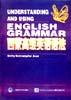
西蒙高级英语语法
【🔥扫码右侧二维码】
【📱扫码极速下载】浏览器自动唤起 💎独家资源·限时共享内容简介:
《西蒙高级英语语法》( Understanding and Using English Grammar)本版在原英文第一版上做了一些修改。这些修改旨在使图表的结构更清楚,并使练习有所改进。在很大程度上,修改以教师和学生们热心提供的好建议为依据。本版里新增加了几个简短的语法单元。本版里还收入了关于美国英语与英国英语结构差异的附加注释。和第一版一样,本版的图表由例句和说明组成,以便学生能容易地理解。语法术语尽量限制在最小范围之内。有些练习侧重于在听力技能、口头复述、写作技巧或阅读理解方面的训练。有些练习则直接针对语法形式进行训练。这些练习之后是其它更复杂和更具挑战性的练习,以使学生形成对所学结构创造性、独立性的使用能力。练习上下文反映了与学生关心的事、日常生活以及生活体验有关的现实的、典型的用法。各项练习有不同的设计,以促使学生多谈自己以及他们的活动,促使他们扩大词汇、博学多闻,养成跨文化比较的习惯,积极思考,激发他们就不同的题目进行简短的讨论。本版中附录1(增补语法单元)有所扩展,现已包括练习。关于词性的知识以及疑问句和否定句这样的基本结构也收录在附录中,以便学生在使用时查用。与课文中其它语法单元一样,附录1的材料是为了巩固前面学过的内容,并以此为基础发展语言使用能力。
目录:
前言 Acknowledgments 第一章 动词时态 ( Verb Tenses) 1-1 一般时态 (The Simple Tenses) 1-2 进行时态 (The Progressive Tenses) 1-3 完成时态 ( The Perfect Tenses) 1-4 完成进行时态 (The Perfect Progressive Tenses) l-5 动词时态简表 ( Summary Chart of Verb Tenses) 1-6 -ING和-ED形式的拼法 ( Spelling of-ING and -ED Forms) 1-7 一般现在时 (Simple Present) 1-8 现在进行时 (Present Progressive) 1-9 无进行时态的动词 (Nonprogressive Verbs) 1-10 现在进行时与ALWAYS连用 ( Using the Present Prigrssive with ALWAYS) 1-11 规则动词与不规则动词 (Rngular and Irregular Verbs) 1-12 一般过去时 (Simple Past) 1-13 过去进行时 (Past Progressive) 1-14 进行时态中地点状语的用法 (Using Expressions of Place with Progressive Tenses) 1-15 现在完成时 (Present Perfect) 1-16 现在完成进行时 ( Present Perfect Progressive) 1-17 过去完成时 (Past Perfect) 1-18 过去完成进行时 (Past Perfect Progressive) 1-19 一般将来时/BE GOING TO (Simple Future/BE GOING TO) 1-20 WILL与 BE GOING TO ( WILL vs BE GOING TO) 1-21 时间状语从句中将来时态的表达 (Expressing the Future in Time Ciauses) 1-22 现在进行时和一般现在时表示将来 (Using the Present Progressive and the Simple Present to Expres Future Time) 1-23 将来进行时 (Future Progressive) 1-24 将来完成时 (Future Perfect) 1-25 将来完成进行时 (Future Perfect Progressive) 第二章 情态动词与类似表达 (Modal Auxiliaries and Similar Expressions) 2-1 概述 ( Introduction) 2-2 “I”作主语的礼貌请求 ( Polite Requests with “ I” as the Subject 2-3 “YOU”作主语的礼貌请求 (Polite Requests with“YOU” as the Subject) 2--4 WOULD YOU MIND用作礼貌请求 (Polite Requests with WOULD YOU MIND) 2--5 祈使句用作礼貌请求 (Using the Imperative Sentences to Make Polite Requests) 2--6 表示必须:MUST, HAVE TO, HAVE GOT TO ( Expressing Necessity: MUST, HAVE TO, HAVE GOT TO) 2-7 不必要和禁止: HAVE TO和 MUST的否定形式 ( Lack of Necessity and Prohibition: HAVE TO and MUST in the Negative) 2--8 忠告:SHOULD,OUGHT TO,HAD BETTER (Advisability:SHOULD,OUGHT TO,HAD BETTER) 2-9 SHOULD的过去式 (The Past Form of SHOULD) 2-10 期望:BE SUPPOSED TO与BE TO (Expectations:BE SUPPOSED TO与 BE TO) 2--11 提议: LET'S, WHY DON'T, SHALLI/ WE (Making Suggestions:LET’S,WHY DON’T,SHALL I/WE) 2--12 提议:COULD (Making Suggestions: COULD) 2--13 表示肯定的程度:现在时 ( Expressing Degrees of Certainty: Present Time) 2-14 肯定的程度:一般现在时的否定 (Degrees Of Certainty:Present Time Negative) 2--15 肯定的程度:过去时 ( Degrees of Certainty: Past Time) 2-16 肯定的程度:将来时 ( Degrees of Certainty: Future Time) 2-17 情态动词的进行式 ( Progressive Forms of Modals) 2-18 USED TO(过去的习惯)与BE USED TO的用法 (Using USED TO[Habitual Past] and BE USED TO) 2-19 WOULD表示过去重复性的动作 (Using WOULD to Express a Repeated Action In the Past) 2-20 表示倾向: WOULD RATHER (Expressiving Preference: WOULD RATHER) 2--21 CAN与BE ABLE TO的用法 ( Using CAN and BE ABLE TO) 2--22 过去的能力:COULD (Past Ability: COULD) 2-23 情态动词与类似表达简表 ( Summary Chart of Modals and Similar Expressions) 第三章 被动语态 ( The Passive) 3--1 被动语态的构成 (Forming the Passive) 3--2 被动语态的用法 ( Using the Passive) 3-3 间接宾语用作被动语态的主语 ( Indirect Objects as Passive Subjects) 3--4 情态动词与类似表达的被动语态 ( The Passive Form of Modals and Similar Expressions) 3--5 静态被动语态形式 (Stative Passive) 3--6 GET与被动语态 (The Passive with GET) 3-7 分词形式的形容词 (Participial Adjectives) 第四章 动名词与不定式 Gerunds and Infinitives) 4--1 动名词:概述 ( Gerunds: Introduction) 4-2 动名词用作介词的宾语 (Using Gerunds as the Objects of Prepositions) 4--3 带动名词的常用动词 (Common Verbs Followed by Gerunds) 4--4 GO十动名词 (GO+Gerunds) 4-5 带不定式的常用动词 ( Common Verbs Followed by Infinitives) 4--6 既可带不定式又可带动名词的常用动词 (Common Verbs Followed by either Infinitives or Gerunds) 4-7 带动名词的动词参照表 (Reference List of Verbs FOllowed by Gerunds) 4-8 带不定式的动词参照表 (Reference List of Verbs Followed by Infinitives) 4-9 动名词用作主语; IT十不定式的用法 ( Using Gerunds as Subjects;Using IT+ Infinitive) 4-10 表达目的的不定式: IN ORDER TO ( Infinitive of Purpose: IN ORDER TO) 4--11 带不定式的形容词 (Adjectives Followed by Infinitives) 4--12 不定式与TOO,ENOUGH连用 (Using lnfinitives with TOO and ENOUGH) 4-13 不定式与动名词的被动语态形式和过去式 (Passive and Past Forms of Infinitives and Gerunds) 4--14 NEED后接动名词或不定式被动语态形式的用法 ( Using Gerunds and Passive Infinitives Following NEED) 4--15 所有格修饰动名词 (Using a Possessive to Modify a Gerund) 4--16 感官动词的用法 (Using Verbs of Perception) 4-17 LET与HELP后接动词原形的用法 ( Using the Simple Form after LET and HELP) 4--18 使役动词的用法:MAKE,HAVE,GET (Using Causative Verbs:MAKE, HAVE, GET) 4-19 特殊短语后接动词-ING形式的用法 (Special Expressions Followed by the -ING Form of a Verb) 第五章 单数与复数 Singular and Plural) 5--1 -S/-ES词尾 (Final -S/-ES) 5--2 名词复数的不规则形式 (Irregular Plural Nouns) 5--3 名词所有格 (Possessive Nouns) 5--4 名词用作修饰语 (Using Nouns as Modifiers) 5--5 可数名词与不可数名词 ( Count and Noncount Nouns) 5-6 不可数名词 (Noncount Nouns) 5-7 部分常见的不可数名词 ( Some Common Noncount Nouns) 5--8 数量的表达 (Expressions Of Quantity) 5--9 A FEW与FEW;A LITTLE与LITTLE的用法 ( Using A FEW and FEW; A LITTLE and LITTLE) 5--10 表达数量的短语中OF的用法 (Using OF in Expressions of Quantlty) 5-11 单数的数量表达:ONE,EACH,EVERY (Singular Expressions of Quantity: ONE, EACH, EVERY) 5-12 基本的主谓一致 (Basic Subject-Verb Agreement) 5--13 使用数量表达时的主谓一致 (Subject-Verb Agreement:Using Expressions of Quantity) 5--14 使用 THERE+ BE时的主谓一致 ( Subject-Verb Agreement: Using THERE+ BE) 5-15 某些特殊用法的主谓一致 (Subject-Verb Agreement:Some Irregularities) 5-16 人称代词与名词前后一致 ( Personal Pronouns:Agreement with Nouns) 5--17 人称代词与不定代词前后一致 ( Personal Pronouns: Agreement with Indefinite Pronouns) 5--18 人称代词与集合名词前后一致 ( Personal Pronouns: Agreement with Collective Nouns) 5-19 反身代词的用法 (Using Reflecxive Pronouns) 5--20 YOU与ONE用作泛指代词 (Using YOU and ONE as Impersonal Pronouns) 5-21 OTHER的形式 ( Forms of OTHER) 第六章 定语从句 (Adjective Clauses) 6--1 定语从句:概述 (Adjective Clauses) 6-2 主格代词的用法:WHO,WHICH,THAT (Using subject Pronouns:WHO,WHICH,THAT) 6--3 宾格代词的用法:WHO (M),WHICh,THAT (Using object Pronous:WHO[M],WHICH,THAT) 6-4 WHOSE的用法 (Using WHOSE) 6--5 WHERE的用法 ( Using WHERE) 6--6 WHEN的用法 (Using WHEN) 6-7 定语从句修饰代词的用法 (Using Adjective Clauses to Modify Pronouns) 6-8 定语从句的标点 (Punctuation of Adjective Clauses) 6-9 定语从句中数量的表达方法 ( Using Expressions of Quantity In Adjective Clauses) 6-10 名词十 OF WHICH的用法 (U8illg NOUN+ OF WHICH) 6--11 WHICH修饰整个句子的用法 (Using WHICH to Modify a whole Sentence) 6-12 将定语从句缩略为形容词短语:概述 (Reduction of Adjective Clauses to Adjective Phrases: Introduction) 6--13 将定语从句变为形容词从句 (Changing an Adjective Clause to an Adjective Phrase) 第七章 名词性从句 (Noun Clauses) 7--1 名词性从句:概述 (Noun Clauses:Introduction) 7--2 以疑问句开头的名词性从句 (Noun Clauses Which Begin with a Question Word) 7-3 以WHETHER或IF开头的名词性从句 ( Noun Clauses Which Begin with WHETHER or IF ) 7-4 疑问词后接不定式 ( Question Words Followed by Infinitives) 7--5 以THAT开头的名词性从句 (Noun Clauses which Begin with THAT) 7-6 直接引语 ( Quoted Speech) 7-7 间接引语和名词性从句中正式的时态呼应 (Roported Speech and the Formal Sequence of Tenses in Noun Clauses) 7-8 名词性从句中虚拟式的用法 (Using the Subjective in Noun Clauses) 7-9 带-EVER的词的用法 ( Using -EVER Word) 第八章 表达概念之间的关系――第一部分 (Showing Relationships between Ideas―PartI) 8-1 并列结构 (Parallel Structure) 8--2 成对连词的用法:BOTH…AND;NOT ONLY…BUT ALSO; EITHER… OR; NEITHER… NOR (Using Paired Conjunctions: BOTH… AND; NOT ONLY… BUT ALSO; EITHETR… OR; NEITHER… NOR) 8-3 用连词连接独立句 ( Combining Independent Clauses with Comunctions) 8-4 状语从句:概述 (Adverb Clauses:Introduction) 8-5 用状语从句表示时间关系 ( Using Adverb Clauses to Show Time Relationships) 8--6 用状语从句表示因果关系 (Using Adverb Clauses to Show Cause and Effect Relationships) 8--7 用介词表示因果关系:BECAUSE OF与DUE TO ( Using Preposition to Show Cause and Effect:BECAUSE OF and DUE TO) 8-8 用转折副词表示因果关系:THEREFORE与CONSEQUENTLY (Using Transitions to show Cause and Effect:THEREFORE and CONSEQUENTLY) 8--9 句型与标点小结 ( Summary of Patterns and Punctuation) 8--10 表示因果关系的其他方式:SUCH…THAT与SO…THAT (Other Ways of Expressing Cause and Effect:SUCH …THAT and SO… THAT) 8--11 表示目的:SO THAT的用法 (Expressing Purpose:Using SO THAT) 8-12 将状语从句简化为修饰性短语:概述 ( Reduction of Adverb Clauses to Modifying Phrases: Introduction) 8--13 将时间状语从句变为修饰性短语 (Changing Time Clauses to Modifying Phrases) 8-14 在修饰性短语中表示“同时”关系 (Expressing the Idea of“During the same Time” in Modifying Phrases) 8-15 在修饰性短语中表示因果关系 (Expressing Cause and Effect Relatioships in Modifying Phrases) 8-16 修饰性短语中UPON+-ING的用法 ( Using UPON+ -ING in Modifying Phrases) 第九章 表示概念之间的关系――第一部分 (Showing Relationships between ideas―Part II) 9-1 表示意料之外的结果:EVEN THOUGH的用法 (EXpressing Unexpected Result:Using EVEN THOUGH) 9--2 表示对立(意料之外的结果) (Showing Opposition:Unexpected Result) 9--3 表示直接对立 (Showing Direct Opposition) 9--4 状语从句表示条件:“IF从句” ( Expressing Conditions in Adverb Clauses:“ IF Clauses”) 9-5 条件状语从句: WHETHER OR NOT和 EVEN IF的用法 (Adverb Clauses of Condition: WHETHER OR NOT and EVEN IF) 9-6 条件状语从句:IN CASE/THAT)与 IN THE EVENT/THAT)的用法 (Adverb Clauses of Condition:Using IN CASE [THAT]and IN THE EVENT[THAT] 9-7 条件状语从句:UNLESS的用法 (Adverb Clause of Condition:Using UNLESS) 9-8 条件状语从句: ONLY IF与 PROVIDING/PROVIDE THAT的用法 (Adverb Clauses of Condition: Using ONLY IF and PROVIDING/ ROVIDE THAT) 9-9 表示条件:OTHERWISE与OR (ELSE)的用法 (Expressing Conditions:Using OTHERWISE and OR [ELSE]) 9-10 关系词小结:因果、对立、条件 ( Summary of Relationship Words: Cause and Effect, Opposition,Condition) 9-11 举例 (Giving Examples) 9--12 延续同一概念 (Continuing the Same Idea) 第十章 条件句 (Conditional Sentences) 10--1 条件句中动词基本形式与用法小结 ( Summary of Basic Verb Form Usage in Conditional Sentences) 10-2 现在或将来的真实条件 (True in the Present or Future) 10--3 现在和将来的非真实条件(与事实相反) (Untrue in the Present and Future:Contrary to Fact) 10-4 过去的非真实条件(与事实相反) (Untrue in the Past:Contrary to Fact) 10-5 进行时动词形式的用法 (Using Progressive Verb Forms) 10-6 条件句中“混合时间”的用法 (Using“Mixed Time” in Conditional Sentences) 10-7 COULD,MIGHT与SHOULD的用法 ( Using COULD, MIGHT and SHOULD) 10-8 IF的省略 ( Omitting IF) 10-9 暗含的条件 (Implied Conditions) 10-10 WISH后面的动词形式 ( Verb Forms Following WISH) 10-11 用WOULD表达有关将来的愿望 (Using WOULD to Make Wishes about the Future) 10-12 AS IF/AS THOUGH的用法 (Using AS IF/AS THOUGH) 附录1 增补语法单元 ( Supplementary Grammar Units) A单元:基本语法术语 ( Basic Grammar Terminology) A-1 主语、动词与宾语 (Subjects,Verbs,and Objects) A-2 介词与介词短语 (Prepositions and Prepositional Phrases) A-3 形容词 (Adjectives) A-4 副词 (Adverbs) A-5 动词BE ( The Verb BE) A-6 系动词 (Linking Verbs) A-7人称代词 (Personal Pronouns) A-8 缩略式 (Contractions) B单元:疑问句 ( Questions) B-1 一般疑问句与特殊疑问句的形式 ( Forms of YES/NO and Information Questions) B-2 疑问词 (Question Words) B-3 否定疑问句 (Negative Questions) B-4 反意疑问句 ( Tag Questions) C单元:否定句 (Negatives) C-1 NOT与其他否定词的用法 ( Using NOT and Other Negative Words) C-2 避免“重复两次否定” (Avoding “Double Negatives”) C-3 以否定词开头的句子 (Beginning a Sentence with a Negative word) D单元:冠词 (Articles) D-1 冠词的基本用法 (Basic Article Usage) D-2 冠词用法的基本原则 ( General Guidelines for Article Usage) 附录2 介词组合 (Preposition Combinations) 含形容词和动词的介词组合 (Preposition Combinations with Adjectives and Verbs) 短语动词(由两个词或三个词组成的多词动词) (Phrasal Verbs:Two-Word and Three-Word Verbs) 附录3 写作错误的批改原则 (Guide for Correcting Writing Errors) 英文索引 (Index in English)

评论